
On-Page SEO vs Off-Page SEO: What You Need to Know
In today’s competitive digital landscape, having a website is not enough. To attract traffic, generate leads, and grow your online presence, you need a solid SEO strategy. SEO, or Search Engine Optimization, ensures your website ranks higher on search engines like Google. But not all SEO tactics are the same. Two of the most critical types are On-Page SEO and Off-Page SEO. Understanding the difference between the two can help you craft a more effective strategy that drives long-term results.
What is On-Page SEO?
On-Page SEO refers to the optimization techniques applied directly on your website. It ensures that both search engines and users can understand the content and purpose of your pages. On-page SEO is fully within your control, meaning you can implement changes immediately without relying on external factors.
Key Components of On-Page SEO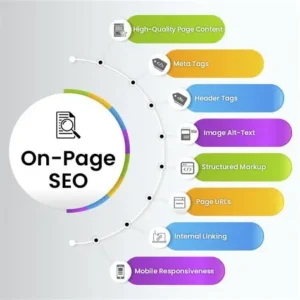
- Keyword Optimization
Keywords are the backbone of SEO. Using the right keywords in your titles, headings, meta descriptions, and content helps search engines understand what your page is about. However, keyword stuffing can harm your rankings, so it’s crucial to maintain a natural flow. - High-Quality Content
Search engines favor content that provides value, relevance, and engagement. Well-researched articles, blogs, product descriptions, and guides keep users on your site longer, reduce bounce rates, and improve rankings. - Meta Tags
- Title Tags: The clickable headlines in search results. They should include your primary keyword and be under 60 characters.
- Meta Descriptions: Brief summaries of your page (around 155 characters) that encourage clicks. Including relevant keywords helps improve visibility.
- URL Structure
Clean and descriptive URLs improve user experience and make it easier for search engines to crawl your website. For example:www.yourwebsite.com/seo-tipsis better than:
www.yourwebsite.com/page?id=12345 - Internal Linking
Linking to other relevant pages within your website helps search engines understand the structure of your site and spreads “link equity,” which can improve rankings for multiple pages. - Image Optimization
Adding alt text to images and compressing file sizes ensures your site loads faster and is accessible to all users, including those using screen readers. - Mobile-Friendliness & Page Speed
Google prioritizes mobile-friendly sites and fast-loading pages. Optimizing your design, images, and hosting can improve both rankings and user experience.
What is Off-Page SEO?
Off-Page SEO refers to activities conducted outside of your website that impact your search engine rankings. While you don’t have direct control over all off-page factors, these strategies signal to search engines that your website is trustworthy, authoritative, and relevant.
Key Components of Off-Page SEO
- Backlinks
High-quality backlinks are links from other reputable websites pointing to your site. They act as a vote of confidence for search engines, signaling that your content is valuable.- Quality over Quantity: A few backlinks from authoritative sites are better than hundreds of low-quality links.
- Guest Blogging: Writing articles for other websites with a link back to your site is a common strategy.
- Social Signals
Shares, likes, and mentions on social media platforms indicate your content’s popularity. While social signals aren’t a direct ranking factor, they can drive traffic and indirectly boost SEO. - Influencer Outreach
Collaborating with influencers in your industry can increase your content’s visibility and generate backlinks. - Brand Mentions
Even if there’s no direct link, online mentions of your brand can contribute to your website’s authority and credibility. - Forum & Community Engagement
Participating in relevant forums, Q&A platforms, and communities like Reddit or Quora can generate traffic and increase brand recognition.
On-Page SEO vs Off-Page SEO: Key Differences
| Feature | On-Page SEO | Off-Page SEO |
|---|---|---|
| Location of Action | Within your website | Outside your website |
| Control | Fully within your control | Partially within your control |
| Focus | Content, meta tags, technical setup | Backlinks, brand mentions, social signals |
| Goal | Make your website understandable & user-friendly | Build authority, credibility, and trust |
| Impact Timeline | Faster results if optimized correctly | Slower results but stronger long-term benefits |
Why Both Are Important
Optimizing only on-page elements can make your website easy to crawl and user-friendly, but without off-page SEO, your site may lack authority, making it difficult to rank highly. Conversely, strong off-page SEO without a well-optimized website may drive traffic, but users could leave quickly if the experience is poor.
The best results come from integrating both strategies:
- Ensure your content is high-quality, relevant, and optimized for target keywords.
- Build trusted backlinks and maintain an active presence on social media and industry communities.
- Regularly monitor analytics to refine your strategies for both on-page and off-page SEO.
Tips to Improve Both On-Page and Off-Page SEO
- On-Page SEO Tips:
- Use headings (H1, H2, H3) effectively to structure content.
- Update old blog posts with fresh content and keywords.
- Optimize site speed using caching and compressed images.
- Off-Page SEO Tips:
- Reach out to industry bloggers for guest posting opportunities.
- Encourage satisfied customers to review your products/services online.
- Share content consistently on social media to drive engagement.
Conclusion
Both On-Page SEO and Off-Page SEO are essential for building a strong online presence. On-page SEO ensures your website is structured, fast, and valuable to users and search engines. Off-page SEO builds your credibility and authority through backlinks, mentions, and social engagement.
By understanding and implementing both strategies together, businesses can achieve higher search rankings, attract more qualified traffic, and generate long-term growth. Whether you’re a small business owner or a digital marketer, investing time in both aspects of SEO is crucial for success in today’s digital-first world.